
The ESG Transition in East Africa: Why
What is the current state of ESG in Uganda?
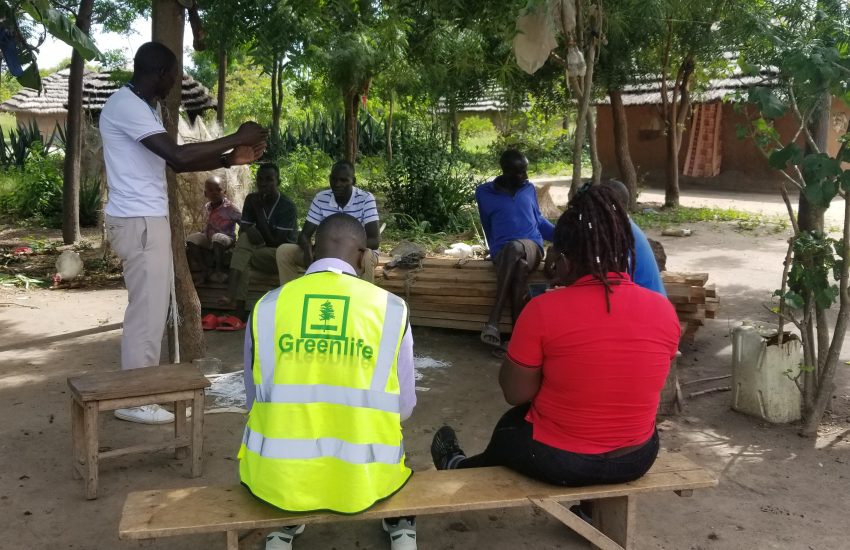
Uganda’s Environmental, Social, and Governance (ESG) landscape is at a pivotal transition point, moving from fragmented compliance toward structured, investment-driven sustainability frameworks. While regulatory enforcement remains uneven, there is a clear acceleration in policy alignment with global ESG standards, particularly in sectors such as energy, agriculture, and extractives. Increasing pressure from international financiers, development agencies, and climate-focused funds is pushing Ugandan businesses to adopt ESG reporting frameworks such as TCFD and TNFD. As a result, Uganda is emerging as a high-potential frontier for green investment, especially in carbon markets, renewable energy, and climate-resilient infrastructure.
Uganda’s ESG Evolution: From Compliance to Competitive Advantage
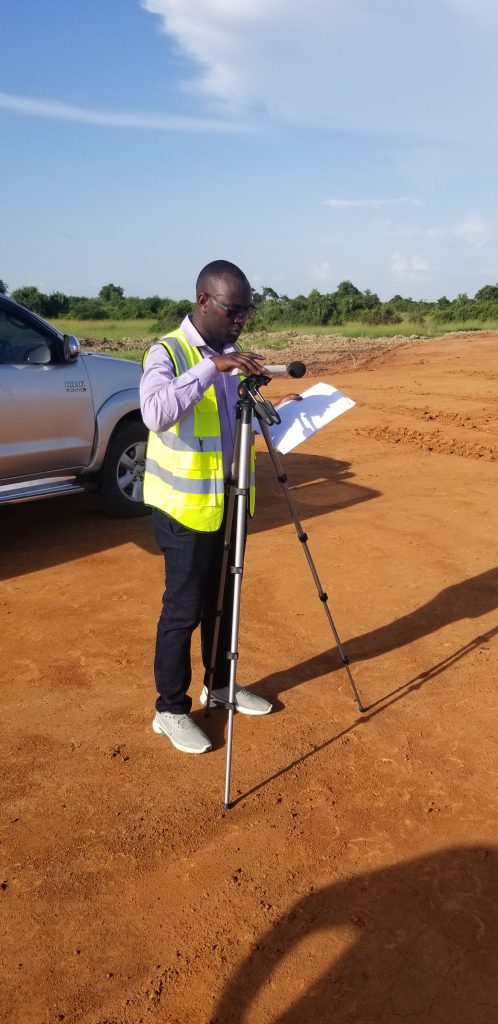
Uganda’s ESG journey has historically been compliance-driven, anchored in environmental impact assessments and national policies enforced by institutions like the National Environment Management Authority (NEMA). However, the paradigm is shifting. ESG is no longer just about avoiding penalties—it is becoming a strategic lever for attracting capital and building resilient enterprises.
Three forces are accelerating this transition:
- Global Capital Pressure: International investors now require ESG disclosures as a prerequisite for funding.
- Climate Risk Exposure: Uganda’s vulnerability to floods, droughts, and biodiversity loss is forcing both public and private sectors to act.
- Policy Alignment: National frameworks are increasingly aligning with global sustainability standards.
For companies operating in Uganda, ESG is no longer optional—it is a gateway to global markets and financing.
The Role of the World Wide Fund for Nature Uganda Strategic Plan (2026–2030)
The 2026–2030 WWF Uganda Strategic Plan represents a critical inflection point for environmental governance in the country. This framework is designed to strengthen ecosystem resilience, promote sustainable livelihoods, and enforce stricter environmental compliance across industries.
Key Impacts on the Private Sector:
1. Stricter Environmental Compliance Standards
Businesses will face increased scrutiny on land use, emissions, and biodiversity impact. Companies operating in sensitive ecosystems—such as forests and wetlands—will need to demonstrate measurable sustainability outcomes.
2. Expansion of Nature-Based Solutions (NbS)
The WWF strategy prioritizes reforestation, watershed management, and conservation finance. This creates new opportunities for private sector participation in carbon offset projects and biodiversity credits.
3. Integration with Global ESG Frameworks
The plan encourages alignment with internationally recognized reporting standards, including:
- TCFD (Task Force on Climate-related Financial Disclosures)
- TNFD (Taskforce on Nature-related Financial Disclosures)
This alignment is crucial for Ugandan companies seeking international investment.
4. Public-Private Partnerships (PPPs)
The WWF framework actively promotes collaboration between government agencies, NGOs, and private enterprises—unlocking blended finance opportunities.
ESG Consulting in Uganda: A Rapidly Emerging Sector
The demand for ESG consulting in Uganda is growing exponentially. Organizations are seeking expert guidance to:
- Conduct climate risk assessments in East Africa
- Achieve ISO 14001 environmental management certification
- Develop ESG reporting frameworks aligned with global standards
- Navigate carbon markets and sustainability financing
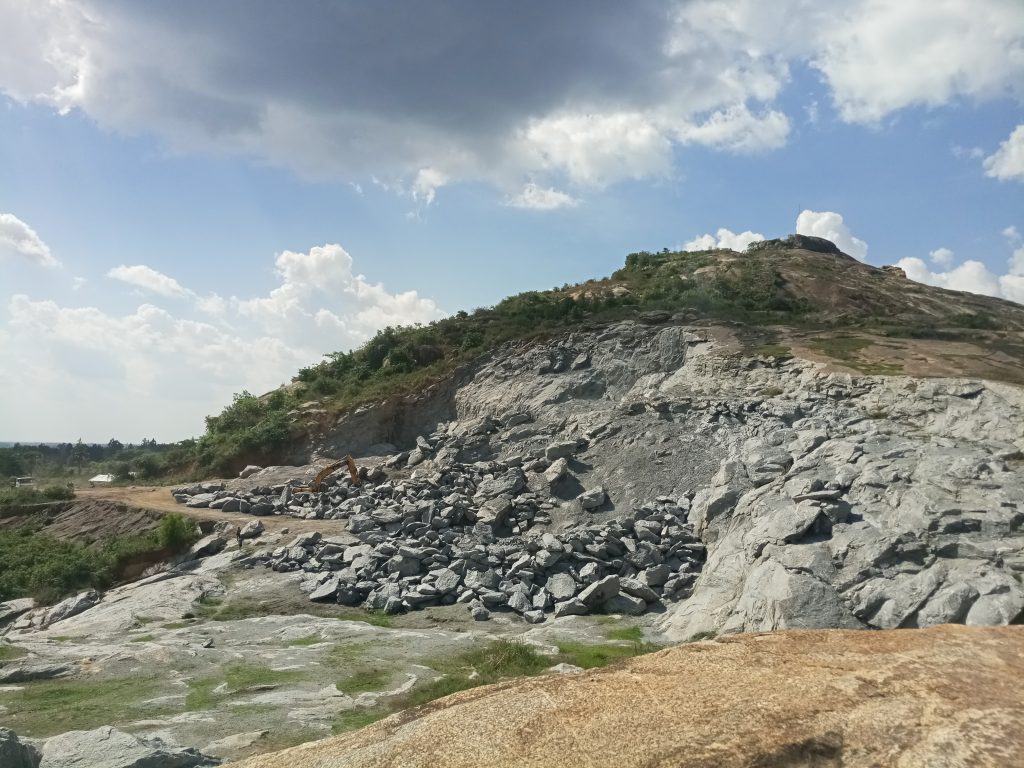
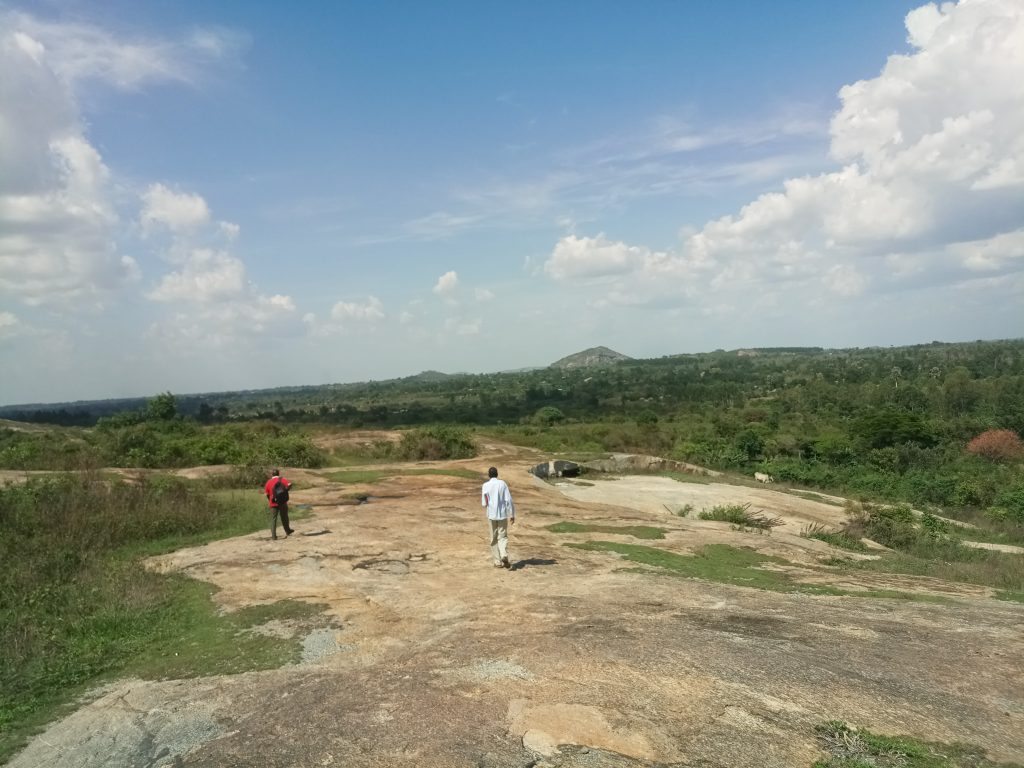
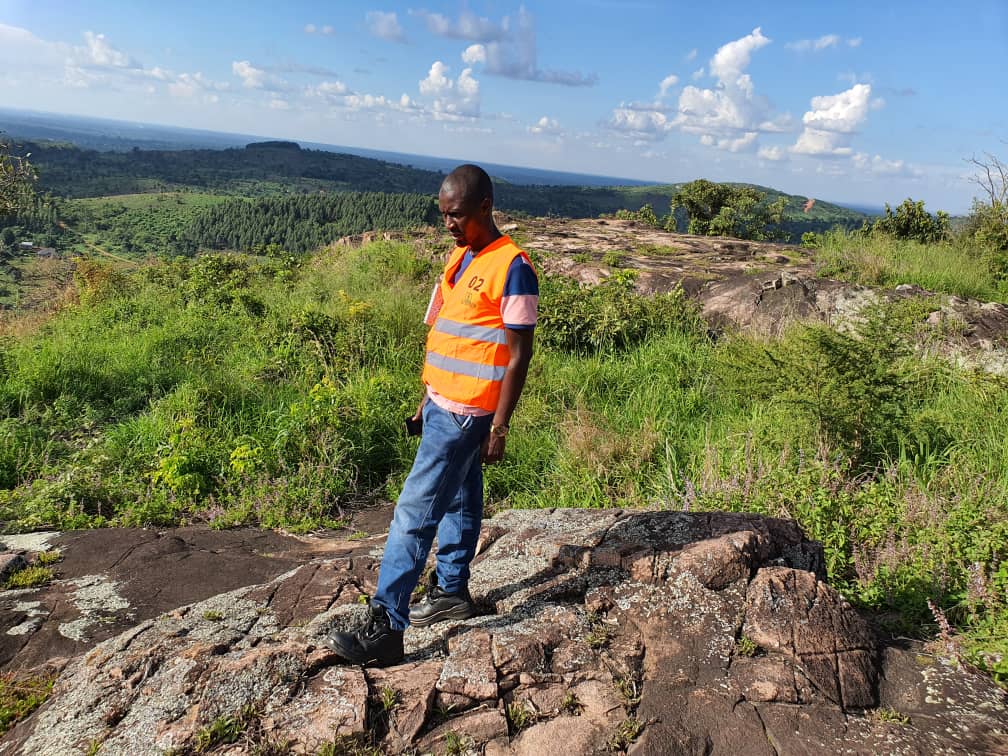
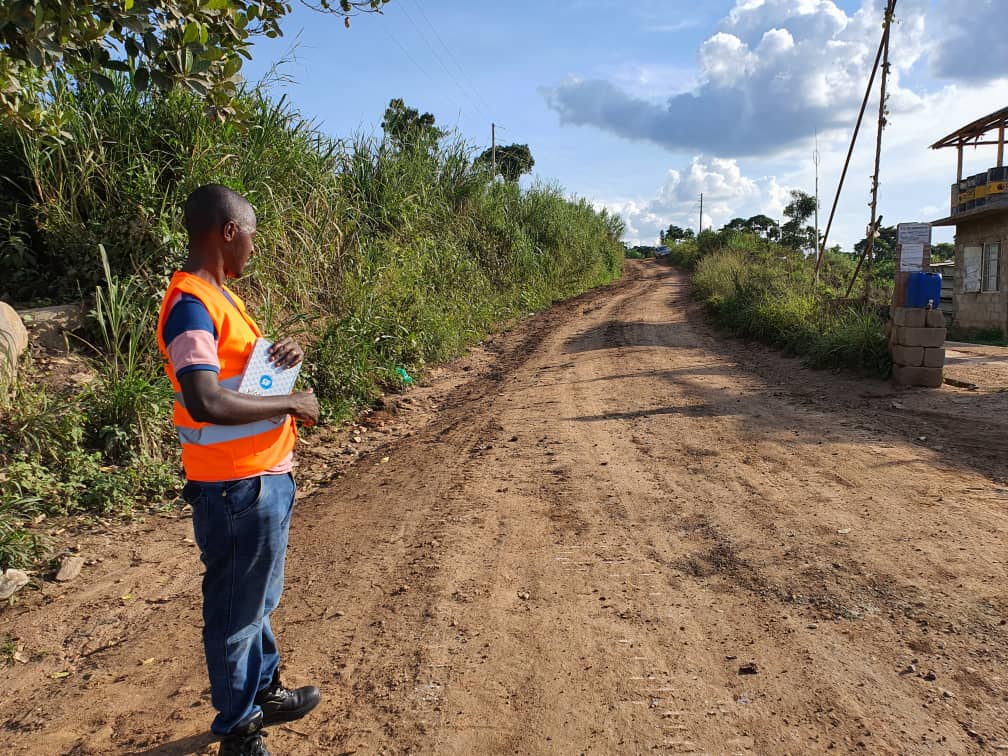
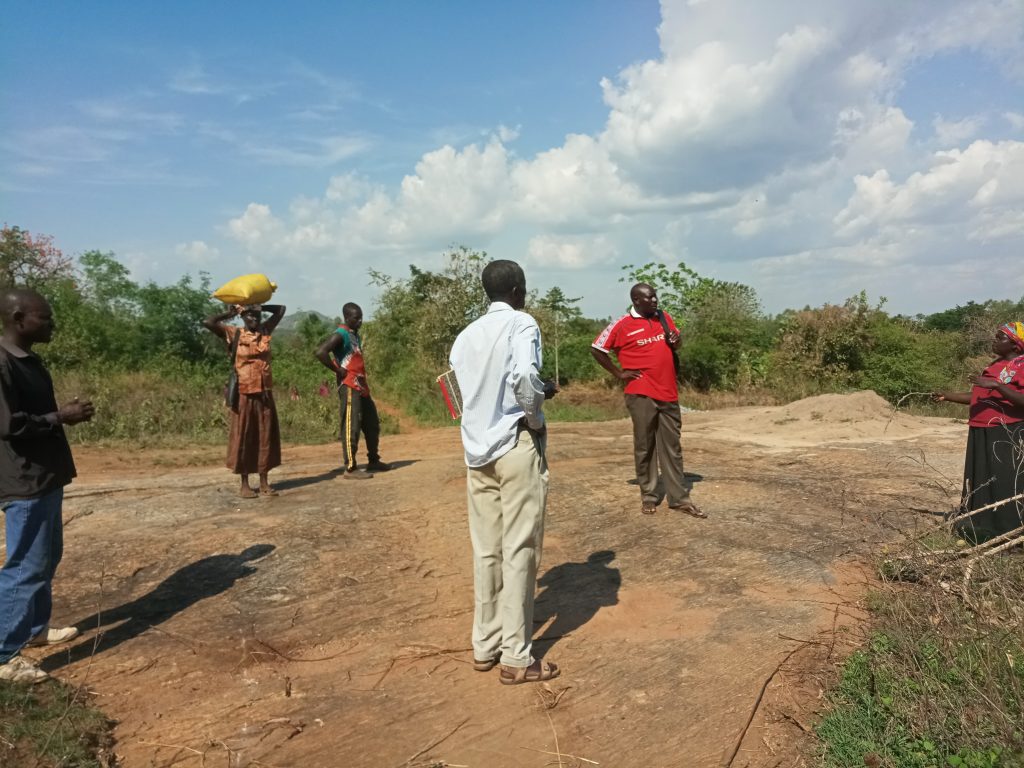
This is where firms like GreenLife Enviro Consult are positioned to lead—bridging the gap between regulatory compliance and strategic sustainability.
Strategic Investment Table: Carbon Credit Potential
Uganda’s carbon market potential is one of the most compelling reasons for green investment. Below is a comparative analysis of two high-value ecological zones:
| Factor | Greater Rwenzori Landscape | West Nile Landscape |
|---|---|---|
| Ecosystem Type | Montane forests, wetlands | Savannah, woodland, river systems |
| Carbon Sequestration Potential | High (dense forest cover) | Moderate to High |
| Biodiversity Value | Extremely high (endemic species) | High |
| Project Types | REDD+, afforestation, eco-tourism | Agroforestry, reforestation |
| Community Engagement | Moderate | High (community-driven projects) |
| Investment Risk Level | Medium (terrain complexity) | Low to Medium |
| Estimated Carbon Credit Yield | 8–12 tCO₂e/hectare/year | 5–9 tCO₂e/hectare/year |
Strategic Insight:
- Greater Rwenzori is ideal for high-value, premium carbon credits tied to biodiversity conservation.
- West Nile offers scalable, community-based carbon projects with strong social impact narratives.
For investors targeting Uganda green investment 2026, both regions present complementary opportunities depending on risk appetite and ESG priorities.
The Investment Case for Uganda in 2026 and Beyond
Uganda is entering a unique window of opportunity where:
- ESG regulations are strengthening
- Carbon markets are expanding
- International funding is increasing
- Local expertise is emerging
This convergence creates a high-growth, high-impact investment environment.
Key Sectors to Watch:
- Renewable energy (solar, hydro)
- Sustainable agriculture
- Carbon credit projects
- Green infrastructure
- Eco-tourism
Investors who move early will gain first-mover advantage in a market that is still under-penetrated but rapidly evolving.
Why GreenLife Enviro Consult is the Strategic Partner You Need
Navigating Uganda’s ESG landscape requires more than compliance—it requires strategy, local insight, and technical expertise.
GreenLife Enviro Consult provides:
- End-to-end ESG consulting in Uganda
- Advanced climate risk assessment in East Africa
- Support for TCFD/TNFD reporting
- Guidance on ISO 14001 certification
- Carbon market project development and validation
The ESG transition in Uganda is not a future trend—it is happening now. Organizations that act early will secure capital, build resilience, and lead in sustainability.
Partner with GreenLife Enviro Consult today.
Explore our Corporate Sustainability Management services and position your organization at the forefront of Uganda’s green investment revolution.
