
Empowering Communities through Nature-Based Solutions: The GreenLife
Problem: Where Conservation Meets Community Reality
In regions like the Albertine Graben and Northern Uganda, environmental degradation and community vulnerability are deeply interconnected. Deforestation, wetland encroachment, and biodiversity loss are not just ecological issues—they are survival challenges for communities dependent on natural resources.
Smallholder farmers, fisherfolk, and rural households often rely on forests, rivers, and land for income, food, and energy. Yet, traditional conservation models have historically excluded these communities from decision-making, creating tension between environmental protection and livelihoods.
At the governance level, gaps in enforcement, fragmented policy implementation, and limited local capacity have slowed the effectiveness of sustainability programs. Institutions such as the Ministry of Water and Environment and the National Environment Management Authority have strengthened frameworks, but translating policy into grassroots impact remains a challenge.
This is where Nature-Based Solutions (NbS) emerge as a transformative approach—aligning ecological restoration with economic empowerment.
Solution: The GreenLife Model for Nature-Based Solutions
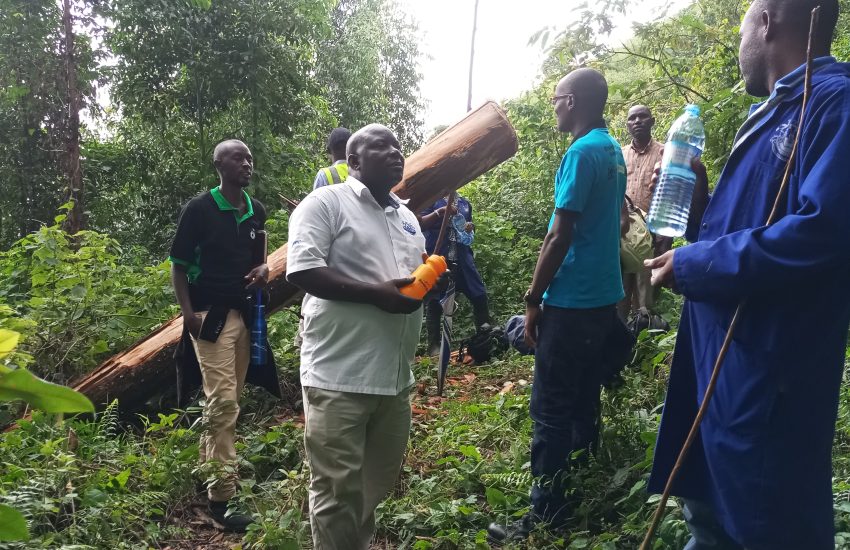
GreenLife Enviro Consult has developed a community-centered NbS model that integrates environmental conservation with sustainable livelihoods. Rather than imposing top-down interventions, GreenLife works directly with communities to co-design solutions that are locally relevant, economically viable, and environmentally sustainable.
Core Elements of the GreenLife Approach:
1. Community-Led Conservation
Local communities are not just beneficiaries—they are stakeholders and co-managers. GreenLife facilitates:
- Participatory land-use planning
- Community forest management groups
- Local governance structures for resource protection
2. Sustainable Livelihood Integration
NbS projects are designed to generate income while restoring ecosystems:
- Agroforestry systems combining crops and trees
- Beekeeping and eco-tourism initiatives
- Sustainable charcoal and alternative energy solutions
3. Governance Strengthening
GreenLife bridges the gap between policy and practice by:
- Aligning projects with national regulations
- Supporting compliance with environmental standards
- Building capacity for local leaders and institutions
4. ESG and Donor Alignment
Projects are structured to meet international ESG and reporting standards, making them attractive to donors and investors.
Key Takeaways
- Nature-Based Solutions in Uganda must integrate livelihoods with conservation to be effective
- Community ownership is the foundation of long-term sustainability
- Strong governance frameworks ensure accountability and scalability
Impact: Measurable Change in Communities and Ecosystems
Case Example: Northern Uganda Landscape Restoration
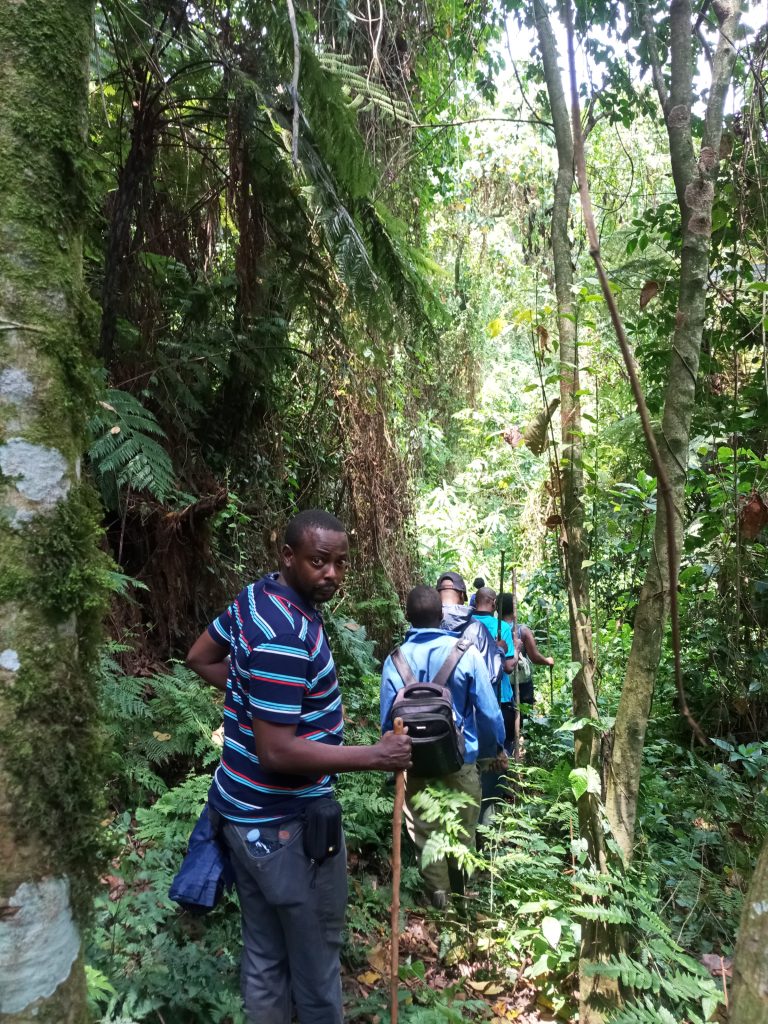
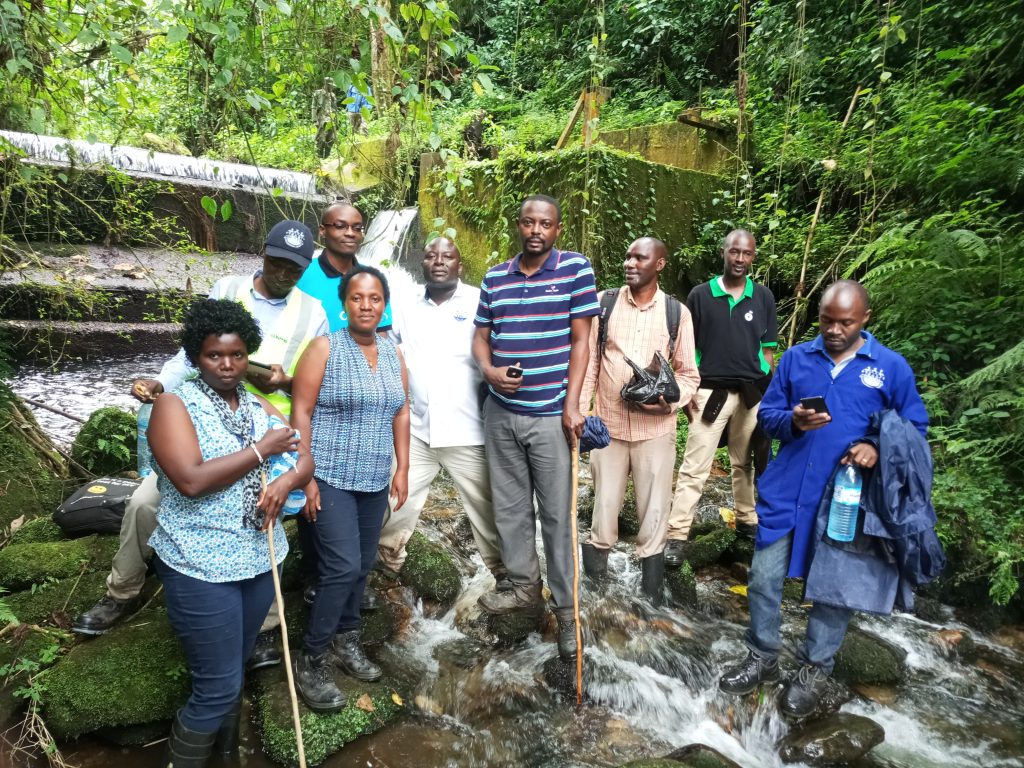
In Northern Uganda, where post-conflict recovery intersects with environmental degradation, GreenLife implemented a multi-layered NbS project.
The Challenge:
- High rates of deforestation
- Limited income opportunities
- Weak environmental governance structures
The Intervention:
- Introduction of agroforestry systems
- Establishment of community conservation groups
- Training in sustainable land management
- Integration of carbon tracking for future credit opportunities
The Results (Within 24 Months):
- Increased household income by 20–35% through diversified livelihoods
- Significant reduction in deforestation rates in targeted areas
- Strengthened community governance structures managing natural resources
- Enhanced readiness for carbon market participation
This demonstrates that NbS is not just an environmental solution—it is a development strategy.
Key Takeaways
- NbS projects can deliver both economic and environmental returns
- Community governance is critical for project sustainability
- Measurable impact strengthens donor confidence and funding continuity
Partnership Model: How International NGOs Can Work with GreenLife
For international NGOs and donors, the biggest challenge is often not funding—but effective implementation.
GreenLife Enviro Consult provides a localized execution framework that ensures projects deliver real impact on the ground.
What GreenLife Offers to Partners:
1. Local Expertise and Presence
Deep understanding of Ugandan ecosystems, communities, and regulatory environments.
2. End-to-End Project Implementation
From baseline assessments to monitoring and reporting, GreenLife manages the full lifecycle of NbS projects.
3. ESG-Compliant Reporting
Alignment with global frameworks ensures transparency and accountability for donors.
4. Community Engagement and Trust Building
Established relationships with local communities accelerate project acceptance and success.
Partnership Opportunities:
- Grant-funded conservation programs
- CSR-driven sustainability initiatives
- Climate adaptation and resilience projects
- Carbon credit and biodiversity offset programs
Strategic Advantage for Donors:
Partnering with GreenLife reduces:
- Implementation risks
- Delays due to regulatory or community issues
- Gaps between funding and measurable impact
Key Takeaways
- Local partnerships are essential for successful ESG project delivery
- GreenLife bridges the gap between global funding and local execution
- Effective NbS implementation requires technical expertise + community trust
Governance and Trust: The ESG Differentiator
In the ESG landscape, the “Social” and “Governance” pillars are often the hardest to measure—but the most critical for long-term success.
GreenLife ensures:
- Transparency: Clear reporting and accountability mechanisms
- Inclusivity: Community voices integrated into decision-making
- Compliance: Alignment with national and international standards
- Sustainability: Long-term project viability beyond initial funding
This governance-first approach builds trust—not only with communities but also with international partners and investors.
Why This Matters Now
Uganda is at a turning point. Climate pressures, population growth, and economic development are converging. Without integrated solutions, environmental degradation and social inequality will intensify.
Nature-Based Solutions offer a pathway to:
- Restore ecosystems
- Empower communities
- Attract global funding
- Achieve sustainable development goals
GreenLife Enviro Consult is positioned at the center of this transformation.
👉 Partner with GreenLife Enviro Consult to deliver scalable, community-driven Nature-Based Solutions that meet global ESG standards and create lasting impact.
